God Simulator Civilizations in the Jar
Place fantasy races, grow towns, and watch them farm, fight, and react.
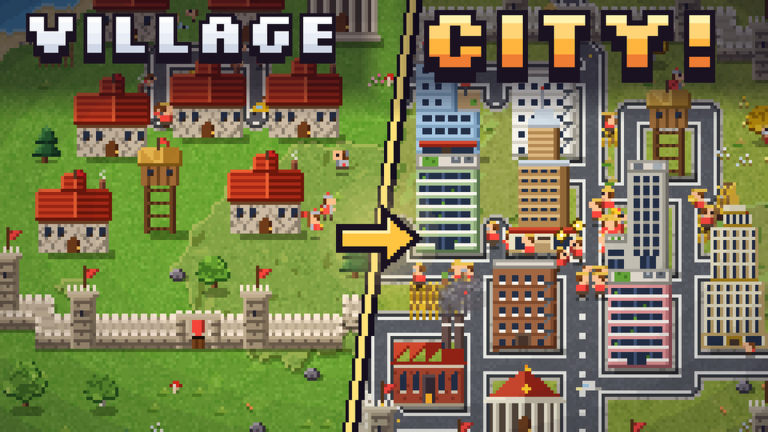
Civilizations turn God Simulator from a particle toy into a living diorama. Inside the glass jar you place and nurture fantasy peoples — humans, elves, orcs, dwarves, and similar roster themes — then watch them farm, expand, fight, and react to your divine meddling. This guide focuses on settlement craft: where to put towns, how to read growth, and when to intervene. For tool aiming, use Controls; for storms and eruptions, use God Powers and Disasters.
Why civilizations matter
Without settlers, lightning is just fireworks. With settlers, every weather front becomes a story about harvests, every volcano becomes a myth the survivors will “remember” for the rest of the session. The tagline fits: a tiny world in a jar, and you are its god — gods need worshipers, rivals, and fragile cities to care about.
New players should place one starter culture after reading Getting Started. Learn that culture’s pacing before seeding the entire globe.
Fantasy race archetypes
Exact unlocks can change with patches, but planning around classic fantasy roles still helps:
- Humans — flexible starter vibe; good for learning generic growth and mixed biomes.
- Elves — lean into forested or serene regions when the jar offers them; pair with gentle weather stories.
- Orcs — thrive in conflict-forward narratives; interesting near contested borders.
- Dwarves — love sturdy terrain, ridges, and carved holds you prepare with terraforming.
Use Tier List and Players when the community meta debates favorites, but always re-check live behavior after updates on Updates.
Placement strategy
- Survey the jar before clicking. Note water, flatland, chokepoints, and isolated pockets.
- Match race to land when possible — dwarves to stone, agrarian folk to open fields.
- Leave buffer space between rival groups unless you want instant war theater.
- Place modestly — a seed town teaches more than carpet-bombing villagers everywhere.
- Watch for several day and night cycles before judging success.
If co-gods share the server (up to six), assign continents or biomes so placements do not overlap. Etiquette lives in Co-Gods.
Nurturing growth
Nurture is active patience. After placement:
- Use terrain tools to open farmland, protect a coast, or wall a nursery valley.
- Apply mild weather to stress-test without extinction.
- Avoid early volcanoes on your only capital.
- Zoom in to confirm villagers still move, gather, and maintain visible activity.
Think like a gardener who also owns thunderbolts. Growth goals might be “reach a second district,” “survive one storm,” or “win a border skirmish.” Write the goal down if you stream or host friends so everyone shares the same success metric.
Conflict, farms, and reaction loops
Towns do not only decorate the jar — they farm, fight, and react. That reaction loop is your feedback channel. If you carve a mountain between two peoples, watch whether conflict drops. If you strike a battlefield with lightning, watch whether one side collapses or doubles down. If nothing seems to change, your intervention may be too weak, too late, or aimed at empty land.
Document what worked. Sandbox skills compound: the fifth civilization you place will be smarter than the first because you learned reading distance, biome fit, and disaster timing.
Multi-race jar design
Advanced sessions run several cultures at once:
- Symmetric peaceful map — mirrored starter zones, soft weather only.
- Pressure cooker — close borders, limited resources, scheduled storms.
- Museum jar — isolated biomes, each race in a display habitat, disasters off.
- Myth campaign — acts with rising disasters, finale volcano, optional rebirth.
Museum jars are perfect for screenshots and for teaching newcomers. Pressure cookers are perfect for co-god audiences who want drama.
Recovering from a wipe
Everyone melts a favorite town eventually. Recovery steps:
- Pause further disasters.
- Terraform a clean plot.
- Re-seed the same race or a hardier neighbor.
- Protect the rebuild with milder tools for a full growth cycle.
- Turn the ruin into lore — leave scorched land as a border monument.
Wipes hurt less when you treat them as chapters. The Disasters guide helps you schedule catastrophe on purpose instead of by misclick.
Soft progression goals
Because God Simulator is not a single-ladder competitive mode, set personal milestones:
- Keep a town alive for a full play session.
- Host three races without accidental extinction.
- Stage a war that ends via negotiated weather peace.
- Rebuild after one planned volcano.
Share milestones with co-gods so victories are social, not only visual.
Common civilization mistakes
- Seeding every race immediately and learning none of them.
- Building on terrible slopes, then blaming the race.
- Stacking disasters the moment farms appear.
- Ignoring day and night readability when diagnosing “stuck” towns.
- Fighting teammates for the same meadow.
Staying current
Roster tweaks, new placement options, or balance changes will show up through the official God Simulator Official channels and our Updates hub. Promo rewards that boost cosmetics or starter toys — if codes ever appear — will be documented on Codes. Until then, mastery comes from placement discipline, not redeem spam.
Civilizations are the heartbeat of the jar. Master them, and every power in your left panel gains meaning. Return to the Guides Hub for the wider tutorial map whenever you branch into controls, powers, co-op, or disasters.
Frequently Asked Questions
Quick answers for new gods and returning co-gods.
Which races can I place in God Simulator?
Expect fantasy civilizations in the style of humans, elves, orcs, and dwarves. Available options can expand or change with updates, so confirm the live placement panel after patches.
How do I help a town grow?
Place on suitable land, give buffer space, use terrain tools to improve the site, apply only mild pressure at first, and watch across day and night cycles before making big changes.
Why did my civilization disappear?
Disasters, bad placement, wars, or overlapping co-god actions are common causes. Pause chaos tools, terraform a clean plot, and re-seed while protecting the rebuild.
Can multiple races share one jar?
Yes. Separate biomes for peaceful museum-style play, or place closer borders when you want conflict narratives. Coordinate with co-gods so placements do not collide.