God Simulator Playing as Co-Gods
Up to six gods, one jar — teamwork, roles, and shared chaos etiquette.
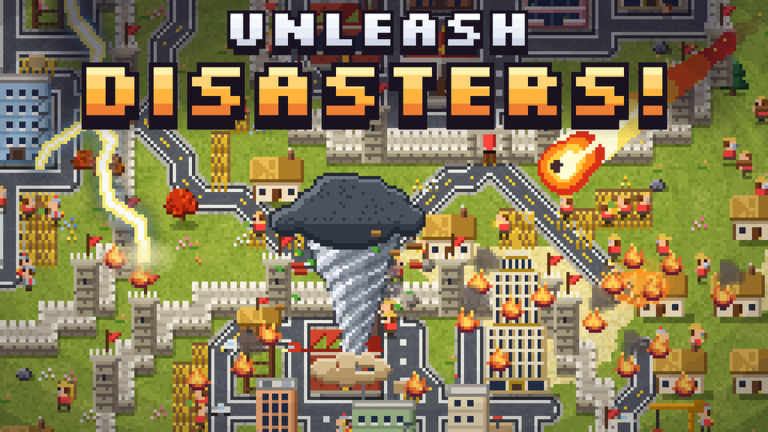
God Simulator carries [CO-GODS] in its full listing for a reason. Up to six players can overlook the same miniature jar world, placing civilizations and casting divine powers together. Solo play is peaceful and deep; co-god play is a collaborative story machine — or a grief simulator — depending on rules. This guide shows how to host, join, divide labor, and keep friendships intact when someone inevitably summons a volcano.
If you have not learned the single-player basics, skim Getting Started and Controls first. Shared cameras and overlapping tool clicks amplify every beginner mistake.
What co-gods actually share
Co-gods share the living sandbox: terrain state, towns, weather, and disaster aftermath. There is no separate private jar per player inside the same server instance. That means your carefully grown elf valley is also your friend’s lightning playground unless you negotiate boundaries.
Treat the jar like a shared document. Establish ownership early. Voice chat or clear text calls help when six people terraforming at once.
Session setup checklist
- Agree on a session fantasy: peaceful museum, rival empires, weather theater, or chaos night.
- Split the jar into regions (north / south / islands) or into roles (builder, weather, disaster lead, narrator).
- Set a chaos policy: disasters on request only, timed windows, or free-for-all after a growth phase.
- Name a halt word — a quick call that means stop casting and assess damage.
- Decide whether wipes are final or followed by coordinated rebuilds.
Post the rules in chat at the start. New join mid-session should hear the same summary.
Role splits that work
Region lords — each co-god owns a biome and may not disaster abroad without permission. Specialist stack — one player places civilizations (Civilizations), one handles terrain, one runs weather, one holds volcano veto, others spectate and narrate. Director mode — one host calls scenes; others execute on cue for streams or friend groups. Rival pantheon — two teams of gods backing different races with limited sabotage rules.
Specialist stacks teach faster because each person masters one panel group from the left UI. Rival pantheons need stricter rules or they collapse into pure grief.
Communication cues
Call targets before big powers: “lightning on the empty ridge above orc camp, not the camp.” Confirm receipt. When using tools from God Powers, describe radius in jar landmarks, not only screen pixels — other players may be zoomed differently.
During day and night shifts, pause for screenshots or story beats. Shared pacing makes the glass globe feel like a show, not a click race.
Grief versus good chaos
Good chaos is consented spectacle: everyone wants the finale volcano after a long growth arc (see Disasters). Grief is deleting someone’s unmarked project without warning, repeatedly targeting the same rebuild, or ignoring the halt word.
Hosts should remove or ignore chronic griefers. The fantasy is cooperative omnipotence, not account-ruining scripts or harassment. Speaking of scripts: do not invite executor users promising unfair co-god advantages. Scripts explains why unverified tools are unsafe and notes that no verified scripts are listed for this exact game yet.
Hosting tips for six-player jars
- Start with four or fewer until your group has etiquette muscle memory.
- Keep first co-op sessions short with a single clear climax.
- Rotate who holds disaster permissions each session so nobody monopolizes spectacle.
- After major patches, do a five-minute UI tour together — panels move, and six confused gods are loud.
Performance can dip when everyone spams effects. Stagger casts. Focus on one region of the jar at a time for readability.
Co-op progression ideas
Shared goals keep energy high:
- Grow three races to visible towns before any volcano.
- Stage a border war resolved by negotiated weather peace.
- Rebuild a ruined capital within one day and night cycle.
- Create a museum jar, then invite a guest chaos god for a timed finale.
Track community taste on Players and Tier List if your group debates which races or power styles feel strongest, then validate on the live build via Updates.
Codes and group coordination
When promo codes eventually appear, redeeming mid-session can distract six people at once. Park code redemption before the jar story begins, using steps on Codes, and watch God Simulator Official for announcements. As of November 2026 research, no verified public codes were listed yet.
Soft skills that matter more than powers
Patience, clear calls, and respect for someone else’s town will improve your co-god reputation faster than perfect lightning aim. Teach newcomers with a protected nursery valley. Celebrate rebuilds. Let quiet builders have spotlight time without storms.
Co-god mode is the social heart of God Simulator [CO-GODS]. Use it to author myths together inside the glass — then return to the Guides Hub when you need solo deep dives on controls, civilizations, or disaster craft.
Frequently Asked Questions
Quick answers for new gods and returning co-gods.
How many co-gods can play together?
God Simulator supports up to six players sharing the same jar world as co-gods.
How do we avoid ruining each other's towns?
Split regions or roles, require permission for cross-border disasters, use a halt word, and announce big casts with clear landmarks.
What is a good first co-op session plan?
Play a short growth phase with limited weather, assign one disaster lead, then run a single consented finale event before rebuilding together.
Should we use scripts for co-god advantages?
No. Unverified executors risk accounts, and the Scripts hub lists no verified scripts for this exact place yet.