God Simulator Race & Civilization Starter Tiers
Early community thoughts on who to seed first — living sandbox opinions, not frozen meta.
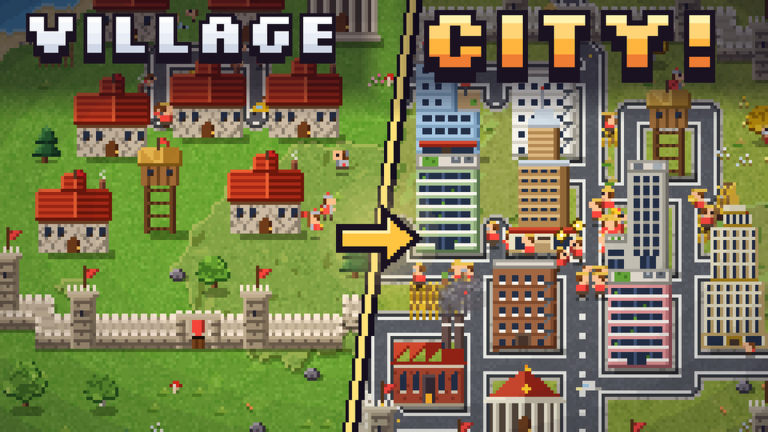
Disclaimer: These race and civilization starter tiers are community guide opinions for a living sandbox. God Simulator [CO-GODS] launched 9 October 2026; exact roster names, stats, and growth rules may expand after patches. We rank starter usefulness for new co-gods learning the jar — readability, forgiveness, and story potential — not a claim of permanent balance.
Pair this page with Civilizations, placement advice in the God Powers Tier List, and co-op manners in Co-Gods. Hub index: Tier List Hub.
What “race tier” means here
In God Simulator you place peoples inside a tiny world in a jar, then influence them with terrain, weather, lightning, volcanoes, and other divine toys. A “good starter race” in our chart is one that:
- Shows clear growth or activity so beginners get feedback
- Survives minor weather mistakes without instantly vanishing
- Creates readable stories (migration, clustering, conflict)
- Works in co-op without demanding perfect micromanagement from minute one
If the live game uses faction, species, or civilization labels differently, map our buckets to the closest in-game options and adjust after you test.
S tier — first seeds we recommend
Balanced starter peoples (generalists)
Generalist civilizations — groups that farm, settle, and expand without extreme fragility — sit in S for day-one jars. They forgive a clumsy rainstorm, still respond to fertile terrain, and teach cause and effect when you raise a plateau or open a coast.
Open with one generalist seed on a prepared plate (terrain S tools first). Watch for a few minutes before adding rivals. This pattern matches Getting Started advice: learn to read the jar before you fill every biome.
Coastal / river-leaning settlers (when terrain is ready)
Once you can carve a simple river or shoreline, water-adjacent settlers often become S-tier teaching tools. Borders are visible; floods and gentle weather matter; lightning over a harbor feels narratively loud. Just do not place them in a canyon you plan to volcano later without group consent.
A tier — excellent with a plan
Hardy highland or rugged folk
Tough peoples that prefer elevation shine after you sculpt hills. They sit in A because they need slightly better terrain prep, yet they reward gods who already practice S-tier terraforming. Great for “mountain kingdom” sessions and for teaching that placement altitude matters.
Curious explorers / mobile groups
Mobile or exploration-leaning races create migration stories that look fantastic in co-op. Ranked A: high entertainment and learning value, but beginners may lose track of scattered bands if the camera work from Controls is still shaky.
Use explorers when at least one co-god agrees to “follow the travelers” as a soft role.
B tier — situational spice
Fragile specialists
Specialists that demand narrow biomes, perfect weather, or constant divine babysitting land in B for starters. They are wonderful mid-session challenges once a generalist baseline exists — risky as your only people when you are still misclicking volcanoes.
Aggressive warmakers
Conflict-prone civilizations can be amazing story engines and terrible first tutorials. B for usefulness in learning lobbies: wait until two regions exist and co-gods agree on war rules. Otherwise the jar becomes smoke before anyone learns farming fantasy.
Document war nights in party chat the same way you schedule volcano finales in Disasters.
C tier — advanced or chaos-only picks
Extreme glass-cannon themes
If a race is extremely fragile, joke-themed, or designed for short chaotic experiments, we park it in C as a default starter. Fun for experienced gods filming a skit; poor for teaching new players why terrain investment matters.
”Place everything at once” patterns
Spamming every race into every biome on minute one is a C-tier habit, not a civilization. The jar becomes unreadable, co-gods cannot assign responsibility, and disasters feel random. Seed fewer peoples; add diversity after the first culture is legible.
Quick reference
| Tier | Starter idea | Best use |
|---|---|---|
| S | Balanced generalists | First seed on prepared terrain |
| S | Coastal / river settlers | After basic hydrology sculpting |
| A | Highland hardy folk | Mountain kingdom lessons |
| A | Mobile explorers | Migration stories with a spotter |
| B | Fragile specialists | Mid-session challenges |
| B | Aggressive warmakers | Consented conflict arcs |
| C | Extreme / joke glass cannons | Advanced skits only |
| C | Place-everything spam | Avoid as a learning pattern |
Session recipes
Solo tutorial jar: One S-tier generalist. Terrain + placement only for fifteen minutes. Light weather. No volcano. Follow God Powers.
Co-op peaceful growth: Two S/A seeds on separated plates. Weather lead + terrain lead roles from Co-Gods. Lightning rare.
Story judgment night: One thriving S seed, one B warmaker across a mountain range. Lightning A as “omens.” Screenshot before any eruption.
Chaos lab (experienced only): C-tier experiments after you accept total reset. Private server preferred.
Synergy with powers
Remember the sister list: terrain and placement are S on the God Powers Tier List. Races inherit that foundation. Weather A supports coastal S seeds; lightning A needs visible settlements; volcano B should not be your introduction to a fragile B specialist.
Codes will not pick your starter for you — and as of November 2026 the Codes Hub still has no verified active codes. Skip shady race unlock scripts; the Scripts Hub lists none as working for this place.
Updating these thoughts
When God Simulator Official adds named factions, traits, or growth reworks, we will rename buckets to match live labels and adjust letters. Track changes via the Updates Hub and launch notes. Share structured observations through channels on the Players Hub.
Until the roster is fully documented in-game, use these tiers as starter philosophy: seed clearly, sculpt first, diversify second, war third, joke races last.
Related pages
Place fewer peoples than you think you need. The jar rewards stories you can actually follow.
Frequently Asked Questions
Quick answers for new gods and returning co-gods.
Are these official race rankings from the developers?
No. They are community starter opinions for a living sandbox. Map our buckets to the closest in-game peoples and re-test after patches.
Which race should absolute beginners place first?
Prefer a balanced generalist on prepared terrain. Read Getting Started and sculpt with S-tier terrain tools before adding rivals.
Why are warmakers only B tier for starters?
Early war can erase lessons about growth and terrain. They shine later as consented story engines once two regions exist.
How many civilizations should I seed at once?
Start with one, maybe two separated seeds in co-op. Placing everything at once is a C-tier habit that makes the jar unreadable.
Where can I learn the civilization systems in more depth?
Use the Civilizations guide for systems context, then return here for starter prioritization.